
The Labour Party is a huge organisation with thousands of members.
The committes and structures that make the party work have evolved over many years. We hope this section helps make sense of it.
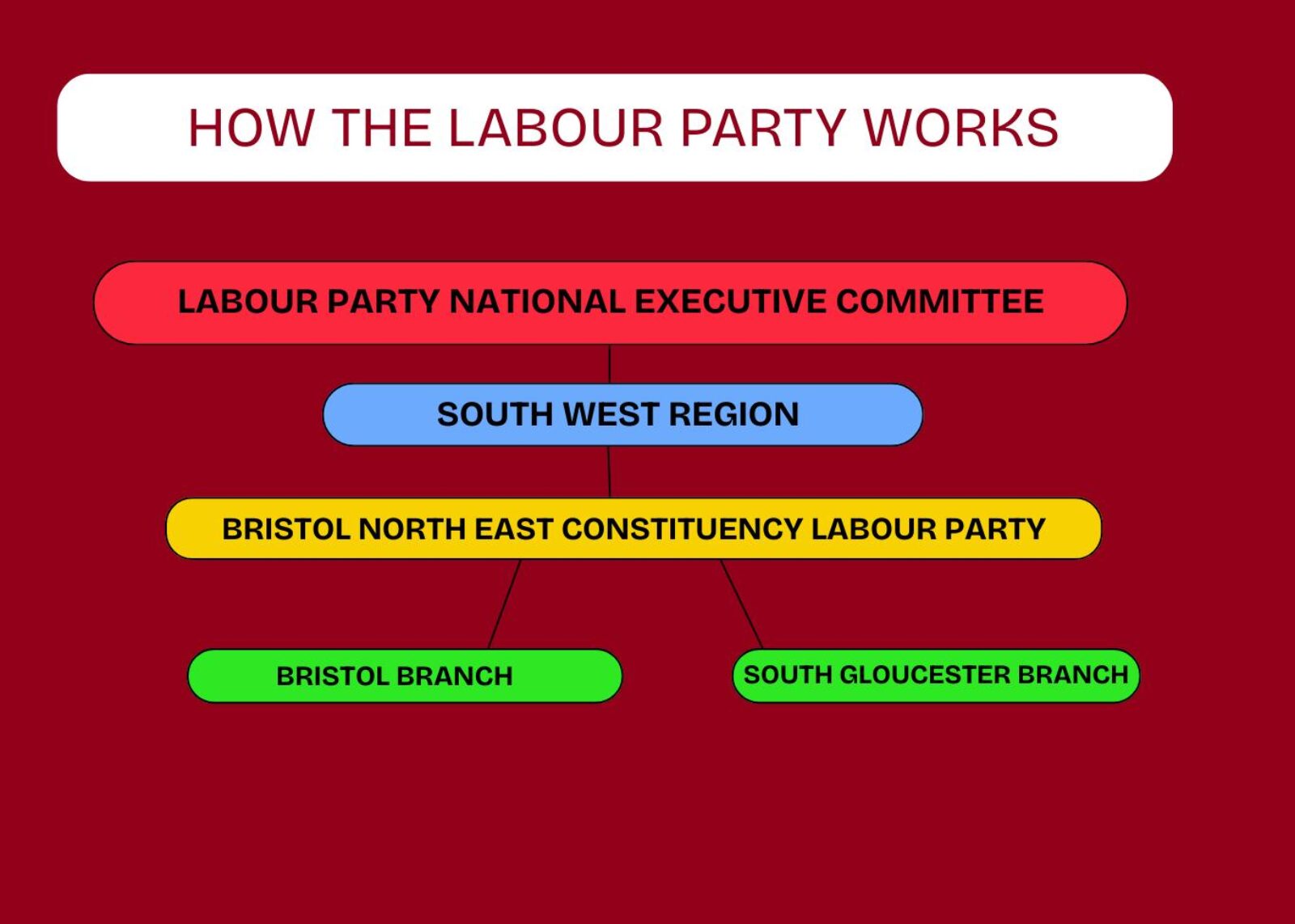
The National Executive Committee. (NEC)
The NEC is the governing body of the Labour Party. It sets the Party overall strategic direction and oversees the work of the Party, including its’ policy making processes.
The NECThe NEC works “in partnership with the Party’s representatives in Parliament, the devolved administrations and local government to secure the Party’s objectives across the country”
The NEC meets bi-monthly and has a number of sub-committees. All sections of the Party are represented on the NEC.
The Party’s Leader, Deputy Leader, Treasurer and Leader of the European Parliamentary Labour Party are automatically members of the NEC. The other members are elected as representatives of different sections of the party – the Shadow Cabinet, MPs, councillors, trade unions, Socialist Societies, Constituency Labour Parties (CLPs), Young Labour and BAME Labour. NEC members are elected by their respective constituencies, and each serves a two-year term.
The NEC currently has the following sub committees:
Equalities Committee – responsible for driving the Party’s equality agenda and the development of
an inclusive organisation at all levels. Its’ responsibilities and roles include ensuring recruitment, retention and participation in the Labour Party of women, Black, Asian and minority ethnic members, LGBT+ and disabled members. The committee links with Young Labour and the Organisation Committee on issues of age discrimination.
Business Board – responsible for overseeing the business functions of the Party including the management of the finances.
Audit, Risk Management and Compliance Committee – provides risk management in all of the party’s activities. The committee ensures that the Labour Party’s financial activities are within the law, and that an effective system of internal control is maintained.
Organisation Sub-Committee – responsible for the Party Rules and Constitution. It has overall responsibility for membership, investigations, selections, Conferences, electoral law, boundaries strategy and internal elections.
Complaints & Disciplinary Sub-committee –hears membership appeals; re-admission applications; party disputes and conciliation; undertakes minor investigations and hears local government appeals where referred to the NEC. It operates in a quasi-judicial fashion, conducting hearings and interviews around the country where necessary.
National Policy Forum (NPF)
The National Policy Forum is where the Labour Party develops new policy. It has a dedicated web page: This is “Labour’s online home of policy development.” The site sets out policies that are being worked up and invites members to comment.
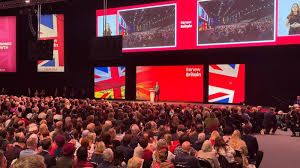
Labour Party Annual Conference
The Labour Party Conference meets each year in September. Conference is the main decision making body, and it sets the policy framework for the Party. All CLPs and affiliated trade unions can send delegates. The number of delegates is determined by the number of members in each CLP.
Annual Conference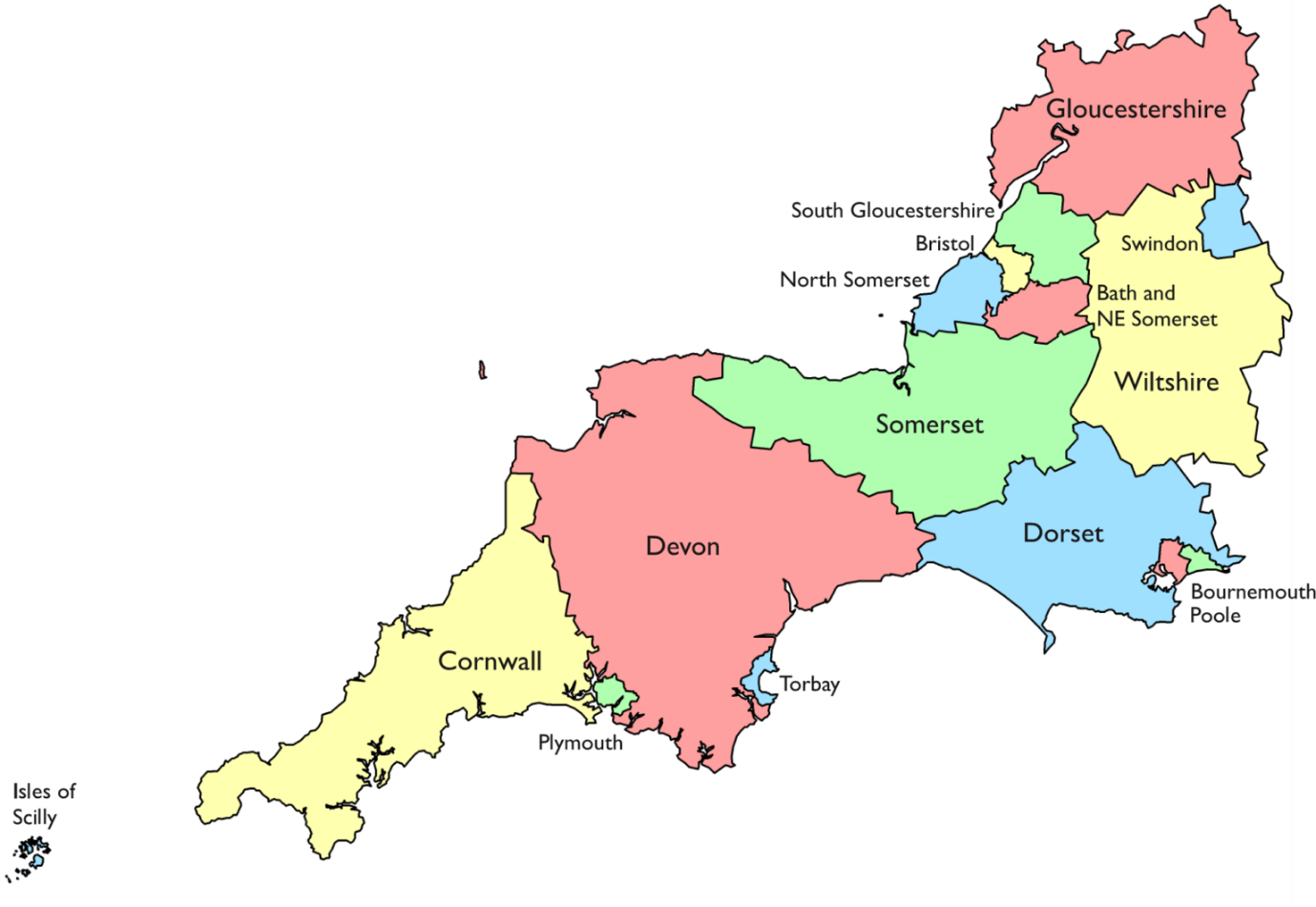
Regional Organisation
In England, the Labour Party is divided into Regions. Our region is the South West. This covers an area from Cornwall to Gloucester, and across Wiltshire down to Bournemouth, Christchurch and Poole.
South West Labour PartyEach UK region has a Labour Party Office which is overseen by an elected Regional Board (or ‘Executives’ in Scotland and Wales). Regional Boards have a role in policy development and organise local conferences. In addition, they act as an appeal body for candidates who have been excluded from the approved list of local government candidates and councillors who have had the whip withdrawn. They also coordinate election campaigning in the Region.
Regional Conferences are held once a year. They help to shape the region’s policies, campaigns and priorities.
CLPs choose the delegates they send to Regional Conference, and what issues the delegate(s) should vote for, or pay attention to at the Conference.
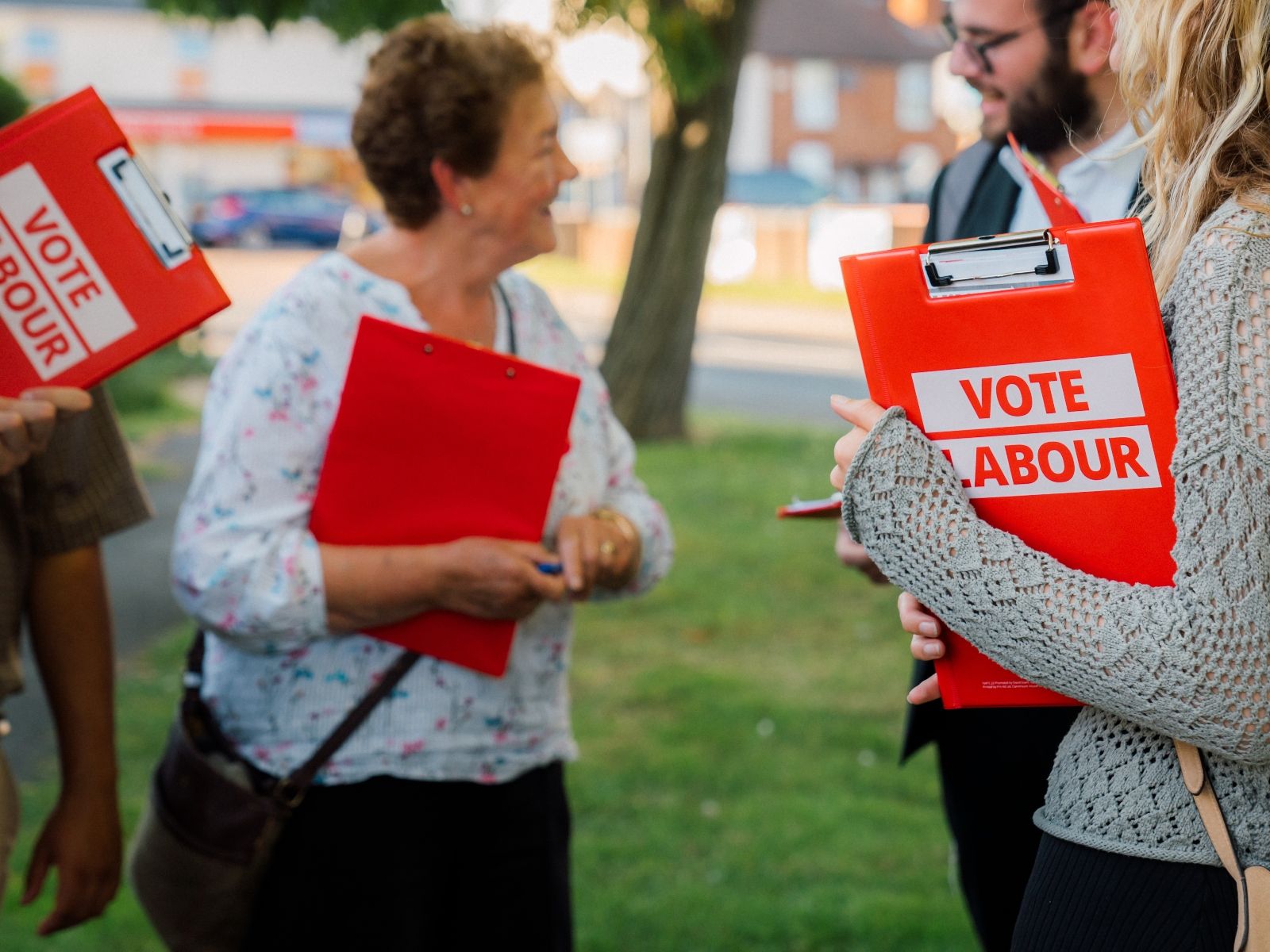
Bristol North East Constituency Party (CLP)
All Labour Party members in Bristol North East are also members of the CLP.
HomepageThe CLP meets every quater and all members are welcome.
At our CLP meetings, we discuss Labour Party policy issues. Occasionally we have speakers including elected representatives, such as Council leaders and MPs who can give us up-to-date information about their work and policy areas. Damien Egan, our MP, also comes to the CLP
meetings and gives us a report about his work in Parliament, and main areas of his casework
Our CLP meetings also
- choose delegates to go to regional and national Labour Party conferences
- send motions to these conferences
- share information about campaigning and canvassing in the constituency
- keep members informed about the day-to-day business of the constituency.
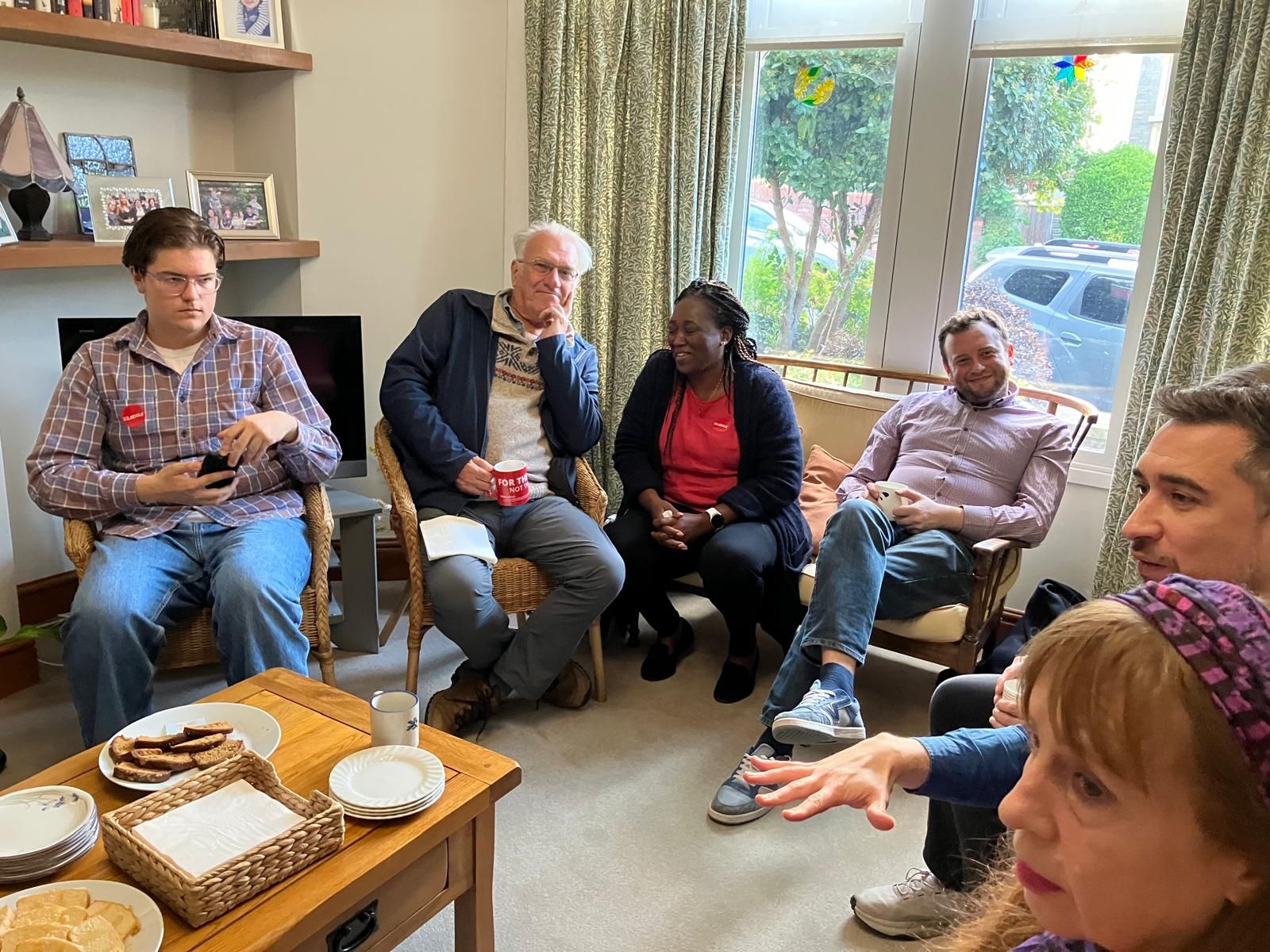
Bristol North East Branches
Branches are based on the local council ward boundaries. We have two branches in Bristol North East.
HomepageThe South Gloucestershire Branch is for members in the four electoral wards in South Gloucestershire: Kingswood, Staple Hill & Mangotsfield, New Cheltenham and Woodstock.
The Bristol Branch is for members in the four electoral wards in Bristol: Hillfields, Frome Vale, Eastville and Lockleaze.
At Branch meetings :-
- We discuss local and national issues.
- Get updates from local councillors.
- Hear from interesting speakers.
- Meet with like minded neighbours.
Other Local Labour groups.
- Local Campaign Forum (LCF)
- Local Campaign Forums are based on council areas – so in BNE, there is one in Bristol and one in South Gloucestershire.
- LCFs have the final say on who stands for which council seats. The LCF also draws up the campaigning plans for local elections. They also liaise with the Labour Group of Councillors about local government issues and input into the manifesto for local elections.
Locally, we use our funds to hire rooms for constituency meetings, to produce leaflets, to buy promotional assets like our Labour Party gazebo, and for local members to attend regional and national party conferences.
Regionally and nationally, the membership fees help to pay for elections and sallaries of staff.